
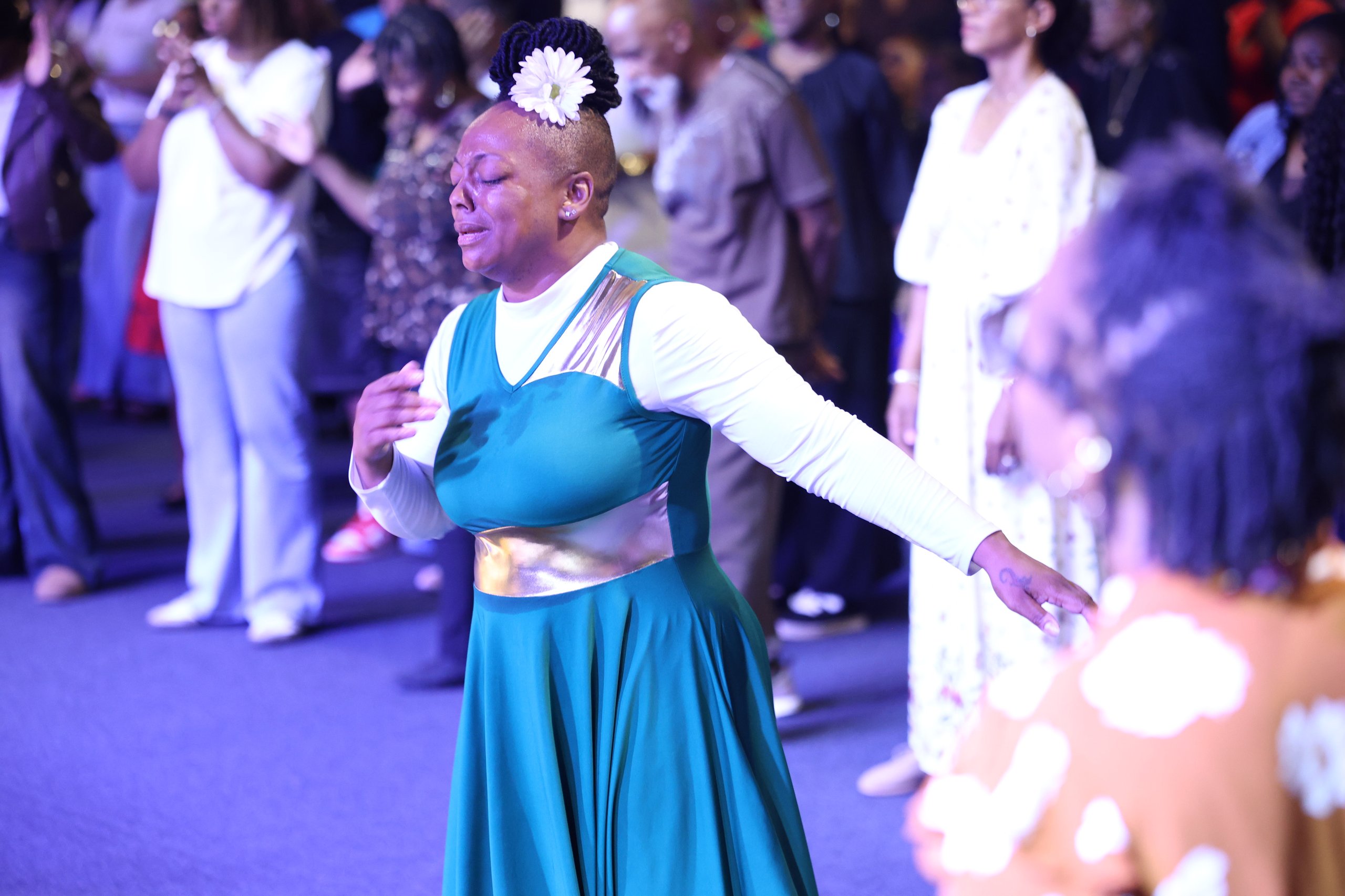
Our citizenship is in heaven.
Kingdom citizenship is the biblical reality that every believer in Jesus Christ is a citizen of a kingdom not of this world — with full rights, responsibilities, and allegiances to that kingdom, even while living in an earthly nation.
You belong to another kingdom.
When you confessed Jesus as Lord, you did not just become religious. You did not just join a church. You became a citizen of a kingdom not of this world (John 18:36). Paul writes it plainly to the Philippians: "Our citizenship is in heaven, from which also we await a Savior, the Lord Jesus Christ" (Philippians 3:20).
That citizenship is not metaphorical. It is a real belonging to a real kingdom with real law, real purpose, and real responsibility. Peter spells out who you now are in that kingdom: "You are a chosen race, a royal priesthood, a holy nation, a people for his own possession, that you may proclaim the excellencies of him who called you out of darkness into his marvelous light" (1 Peter 2:9).
Kingdom citizenship is the walk that follows the confession. Salvation is the entry; citizenship is the life.
Five marks of a kingdom citizen.
Citizenship is not a feeling. It is a daily shape of life. Scripture gives us the marks of a citizen who actually belongs — not perfectly, but recognizably — to the kingdom of God.
Know the King
A citizen knows the King personally — not just about Him. Jesus is Lord, Savior, Shepherd, Friend. Prayer, worship, and the Word are the daily meeting places.
Know the Law
Scripture is the written law of the kingdom. A citizen reads it, obeys it, and submits his or her choices to it — not because of fear, but because of allegiance.
Know the Language
Prayer is the native tongue of the kingdom. A citizen talks to the King — about everything, in every season, all day long.
Know the People
A citizen belongs to a covenant community — not a crowd. The church is the family of the King, and no citizen walks alone for long.
Know the Work
Every citizen has an assignment. The kingdom works in every sphere — family, business, government, education, media, arts, church — and the citizen is sent into one.
One people. Many places. One allegiance.
Kingdom citizenship is not a solo pursuit. Peter calls believers "a holy nation" — a plural, a people, a nation. At Embassy, we have a name for the visible shape of that nation: Embassy Nation.
Embassy Nation is the aggregate body of campuses, hubs, digital members, and partners that make up one covenant family under Lead Apostle Bishop Hugh Daniel Smith. From the flagship at Embassy Metro Detroit in Walled Lake, Michigan, to campuses in Houston, Ann Arbor, Southfield, and Metro Atlanta, to hubs in North Carolina, Illinois, Kalamazoo, East and West Detroit, and Kenya — Kingdom Nation is one family in many places, under one allegiance.
It is not a franchise. It is not a brand. It is a visible expression of what kingdom citizenship looks like at scale — believers formed into citizens through apostolic teaching, covenant community, and the active work of the Holy Spirit, serving their cities and nations with a kingdom allegiance that outlives politics, outlives seasons, and outlives this age.
Salvation is the doorway. Citizenship is the life inside.
Many believers never cross from salvation into citizenship. They walked in the door, took their seat, and stayed where they first sat down — grateful to be saved, but never responsible to the kingdom they are saved into. The invitation of Scripture is to grow up (Ephesians 4:14-16) — from spiritual infancy to kingdom maturity.
- · Attends church, consumes teaching
- · Prays mostly in crisis
- · Reads Scripture occasionally
- · Grateful to belong to Jesus
- · Does not yet see an assignment
- · Primary identity still from career, culture, or nation
- · Belongs to a covenant community
- · Prays as a native tongue
- · Reads and obeys Scripture
- · Walks as a servant of the King
- · Knows the assignment on his or her life
- · Primary identity is kingdom citizen; earthly roles serve that
This is not a condemnation. Many of us began on the left and are being formed into the right. The kingdom of God is a kingdom of growth, and no citizen was born mature. The question is not whether you have arrived. The question is which direction you are facing.
The kingdom is at hand.
Embassy exists to form kingdom citizens — through apostolic teaching, covenant community, and the active work of the Holy Spirit. Start wherever you are. Take one next step.
Kingdom citizenship — the plain questions.
What is kingdom citizenship?
Kingdom citizenship is the biblical reality that every believer in Jesus Christ is a citizen of a kingdom not of this world (John 18:36), with full rights, responsibilities, and allegiances to that kingdom. The believer still lives in an earthly nation, but his or her primary citizenship, identity, and law come from the kingdom of God.
Where does the Bible teach kingdom citizenship?
The clearest New Testament witness is Philippians 3:20 — 'our citizenship is in heaven, from which also we await a Savior, the Lord Jesus Christ.' Peter calls believers 'a chosen race, a royal priesthood, a holy nation, a people for his own possession' (1 Peter 2:9). The whole New Testament assumes the believer belongs to a kingdom and lives as a citizen of it.
What is the difference between being saved and being a kingdom citizen?
Salvation is the entry into the kingdom; kingdom citizenship is the walk inside it. Many believers accept Jesus as Savior but never grow into the posture of a citizen — they stay a dependent instead of becoming a participant. Kingdom citizenship is the maturation of salvation into daily responsibility, assignment, and belonging.
What are the responsibilities of a kingdom citizen?
A kingdom citizen is responsible to know the King (Jesus), know the King's law (Scripture), know the King's language (prayer), know the King's people (covenant community), and know the King's work (the assignment on your life). Citizenship is not spectatorship — it is daily action aligned with the kingdom you belong to.
What does Embassy mean by 'Kingdom Nation'?
Kingdom Nation is the Embassy name for the aggregate body of campuses, hubs, digital members, and partners that make up one covenant family under Lead Apostle Bishop Hugh Daniel Smith. It is a visible expression of what kingdom citizenship looks like at scale — one people, many places, one allegiance.
Can I be a kingdom citizen and still love my country?
Yes. Kingdom citizenship does not erase earthly citizenship — it reorders it. The believer loves family, neighborhood, and nation precisely because he or she first belongs to the King who sent us into them. Loyalty to Christ makes a citizen more useful, more honest, and more just inside the earthly nation, not less.
How do I grow into kingdom citizenship at Embassy?
At Embassy, kingdom citizenship is formed through apostolic teaching every Sunday, the Diamond Leadership Academy, the Kingdom Brief Podcast, ministry involvement, and covenant community. Start by attending or watching live, join the eChurch community if you are not local, and step into one next step at a time.
What is the Kingdom Brief Podcast?
The Kingdom Brief Podcast is Bishop Hugh Daniel Smith's apostolic and prophetic interpretation of current cultural, civic, and spiritual moments — a weekly brief from the apostolic desk. It is one of the primary teaching surfaces for growing into kingdom citizenship outside of Sunday gatherings.